
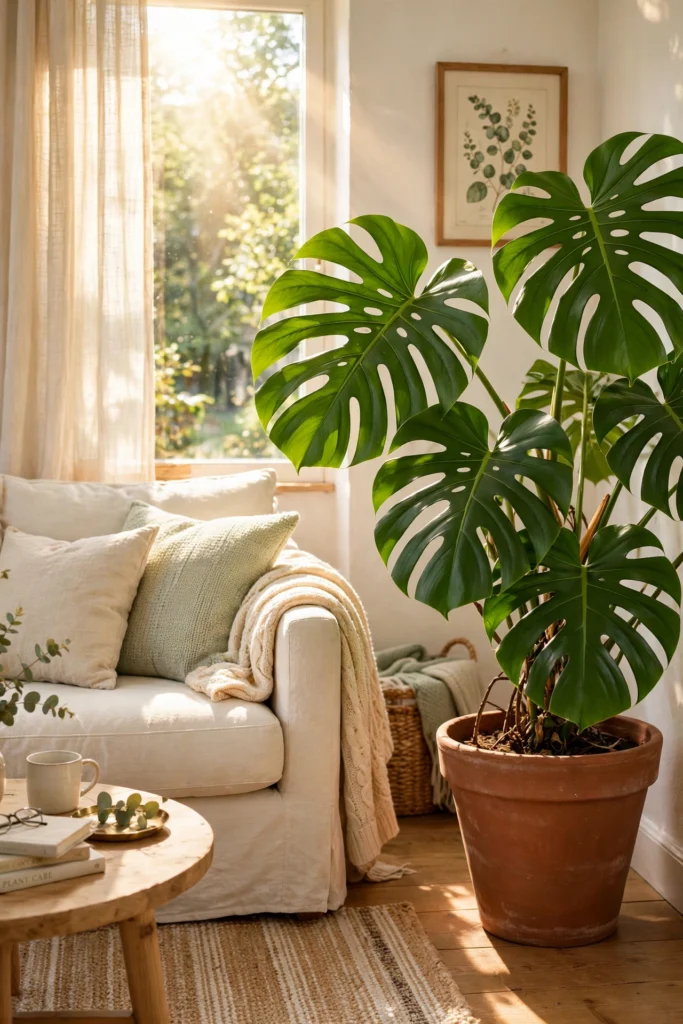
A home without plants can feel a little flat — all furniture and walls, no life. Add greenery, and suddenly the whole place breathes. Plants soften corners, fill empty spaces, clean the air, and make every room feel cared for. Best of all, styling with plants is one of the cheapest ways to decorate.
Whether you have a green thumb or a history of killing cacti, there’s a plant — and a styling idea — for you. Here are ten to try.
1. Start with a statement plant
One big plant does more than ten tiny ones. A fiddle-leaf fig, a monstera, or an olive tree in a large ceramic pot fills an empty corner and becomes a focal point. Place it where it gets the light it needs, and let it be the star — you don’t need anything else in that corner.
2. Group plants in threes
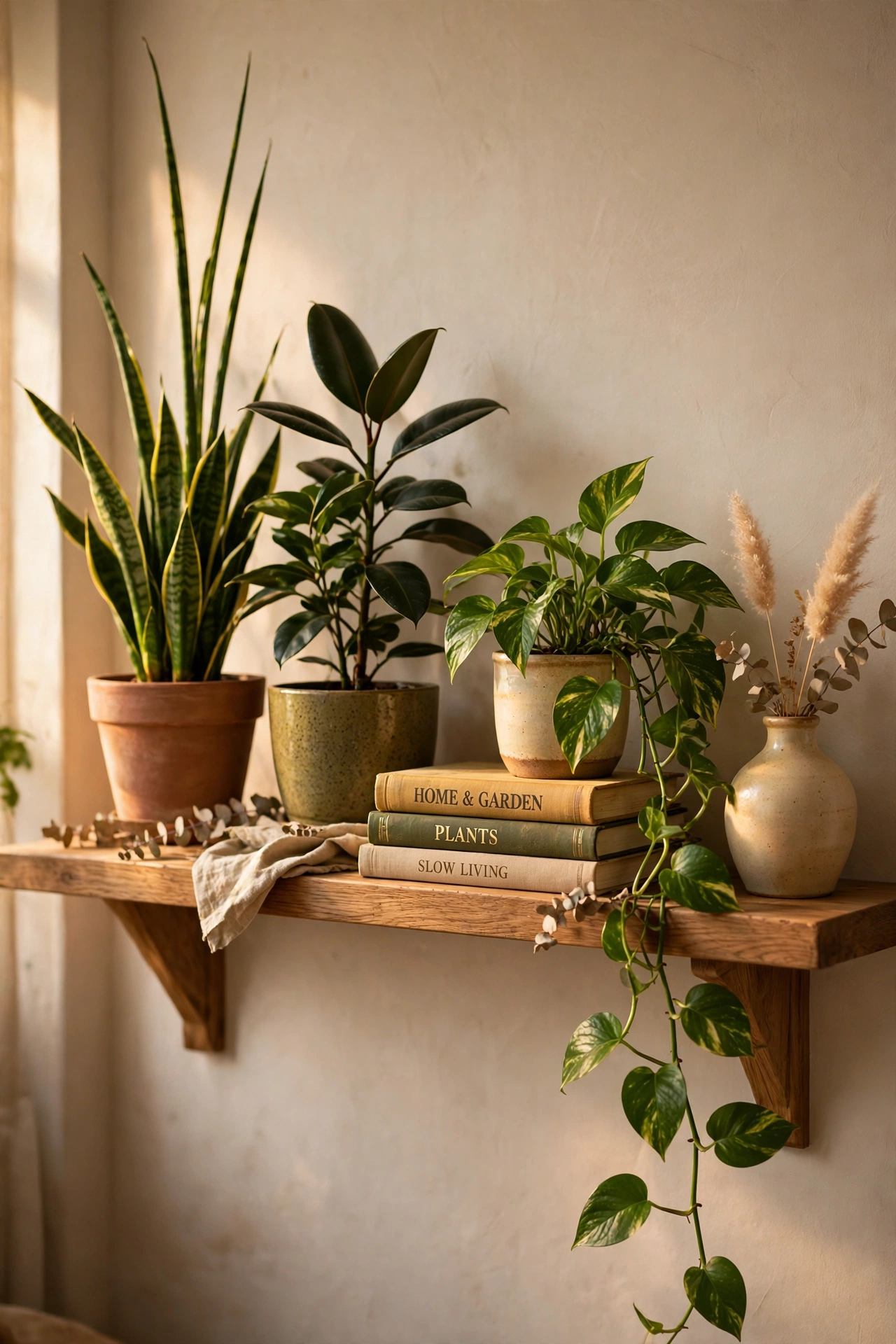
Plants look best in small groups, just like other decor. Cluster three plants of different heights on a shelf, a sideboard, or a windowsill: one trailing, one upright, one bushy. Odd numbers and varied heights feel natural — like a little indoor garden, not a row of pots.
3. Hang them from the ceiling
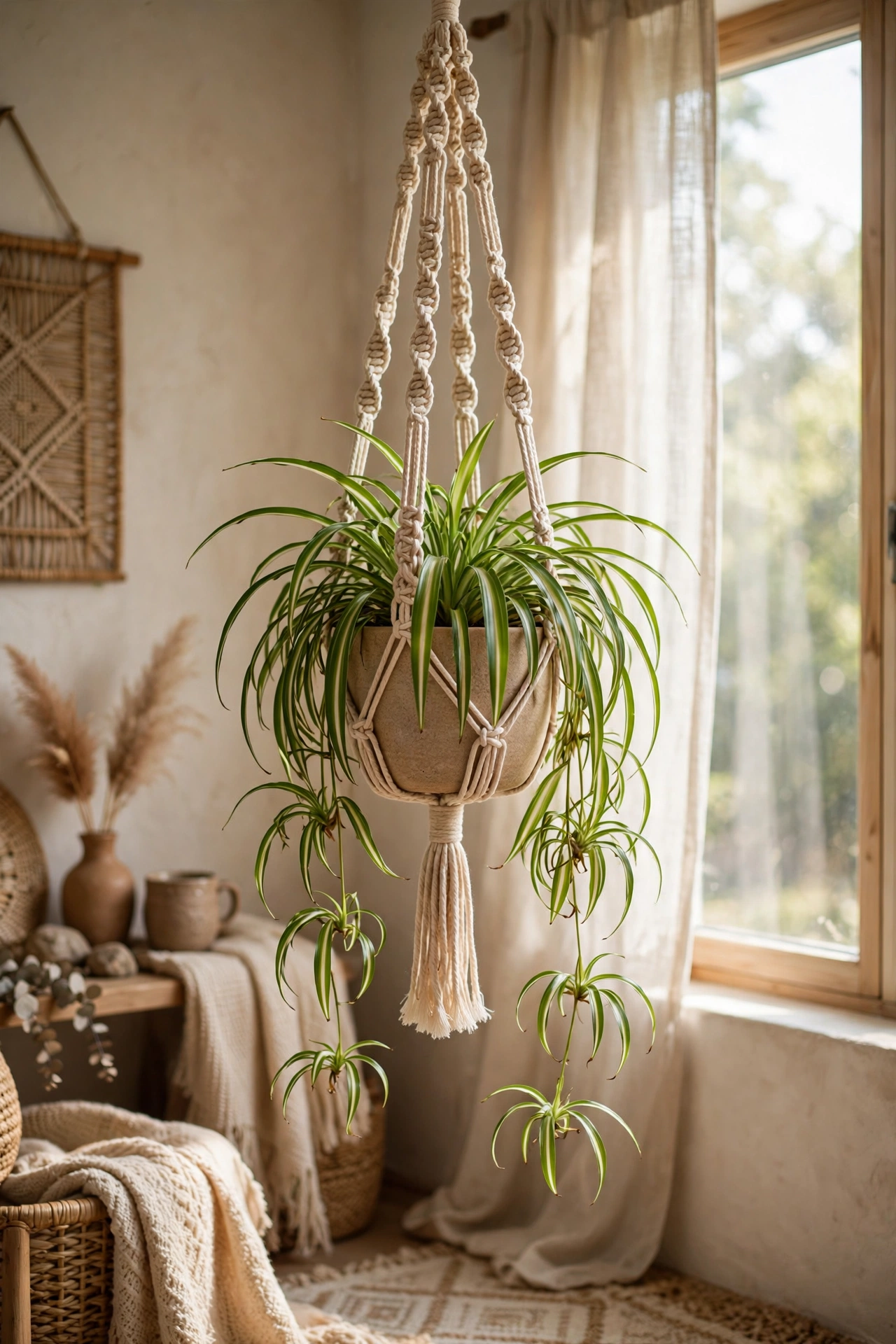
Trailing plants like pothos and spider plants look magical in hanging planters. Hang one near a window, in a bathroom, or above a kitchen sink where the trailing vines can soften the space. Macramé hangers add a boho touch; simple ceramic hangers keep it modern.
4. Style a plant shelf
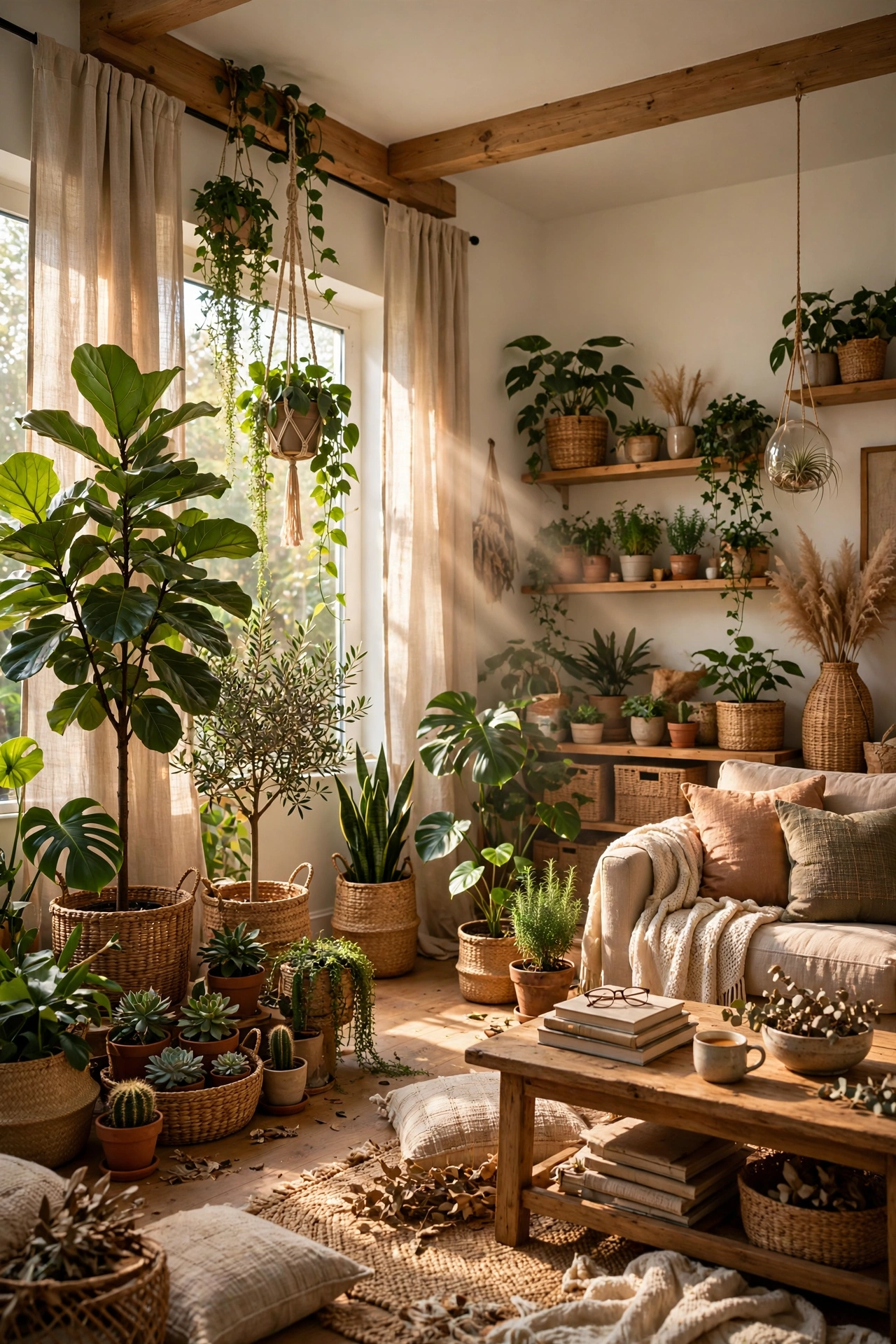
Dedicate one shelf to plants: a mix of small pots, a trailing plant spilling over the edge, and one or two books for height. A plant shelf works in a living room, bedroom, or hallway, and it’s the easiest way to add a lot of greenery without using any floor space.
5. Match the pot to the room
The pot is half the styling. Warm terracotta suits rustic and Mediterranean rooms, matte ceramic fits modern spaces, and woven baskets soften everything. Keep pots in the same colour family within one room for a calm, intentional look — and always use a saucer or a cache pot to protect your furniture.
6. Use plants as room dividers
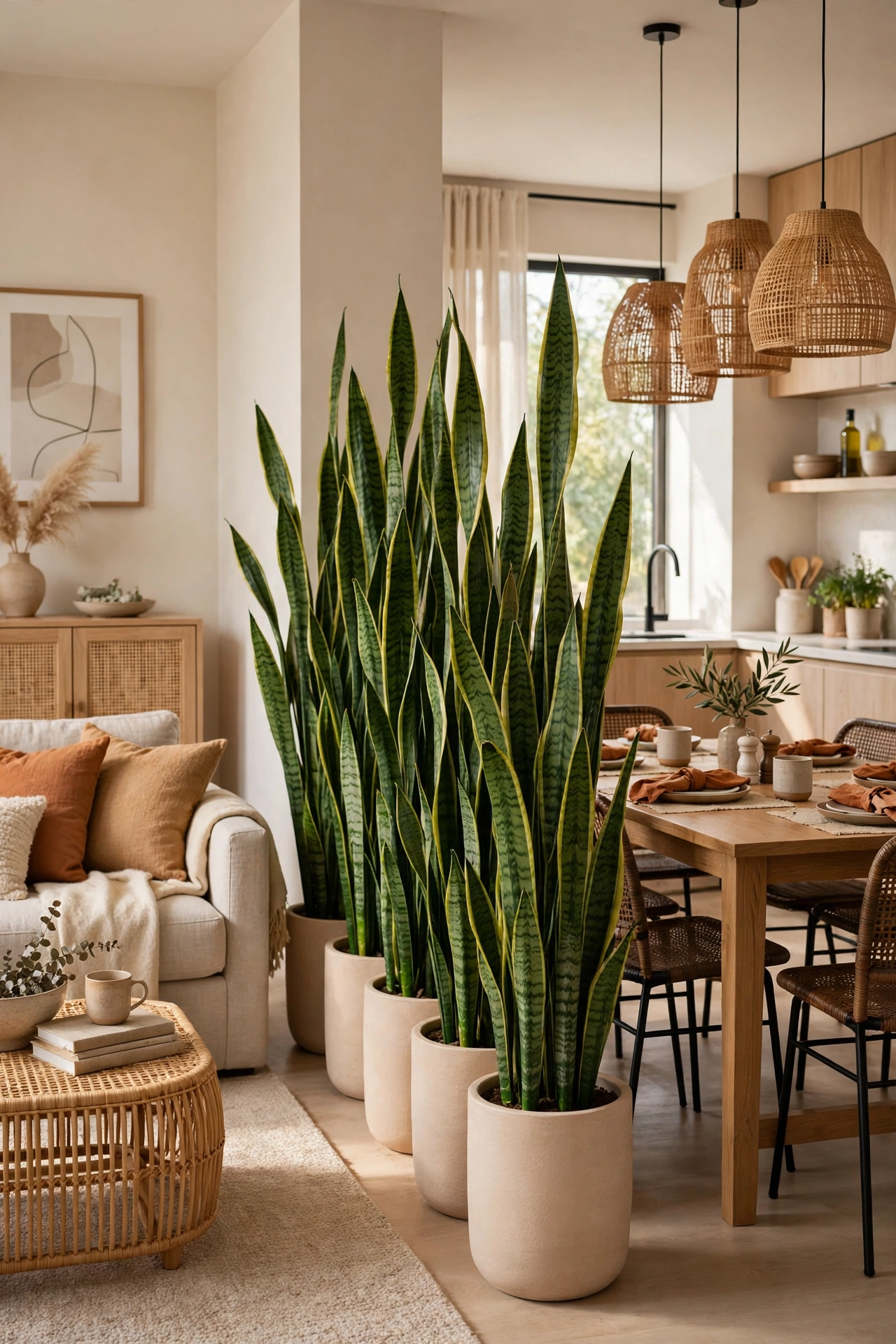
In an open-plan space, a row of tall plants on a bench or a large plant in a stand can gently divide a living area from a dining area without blocking light. Snake plants and palms work well for this — tall, upright, and forgiving of neglect.
7. Put a plant in every room
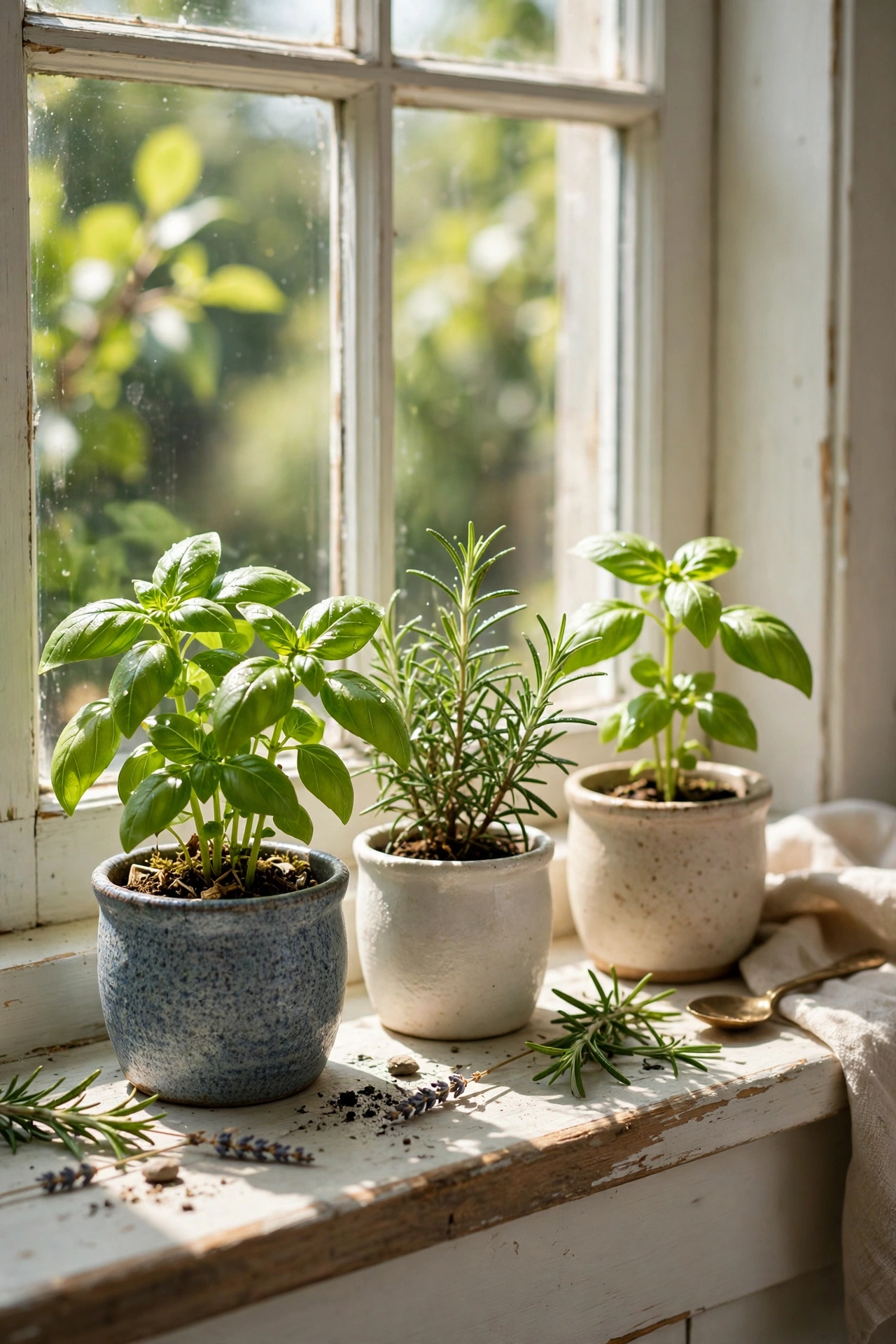
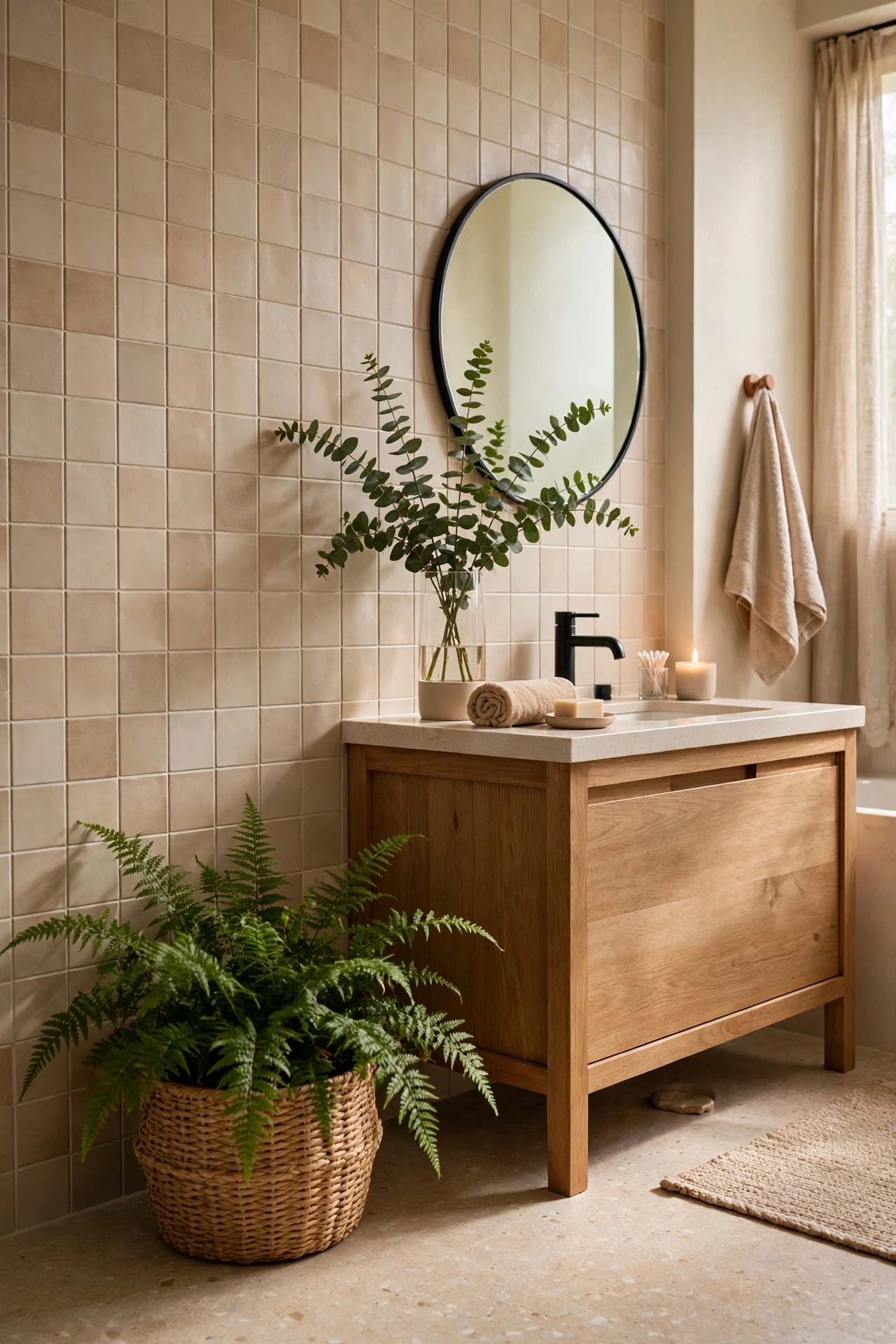
Don’t keep all your plants in the living room. A small plant on a bedside table, a fern in the bathroom, a herb pot on the kitchen windowsill — greenery in unexpected places makes the whole home feel alive. Bathrooms are especially good for humidity-loving plants like ferns and pothos.
8. Pick low-light plants for dark corners
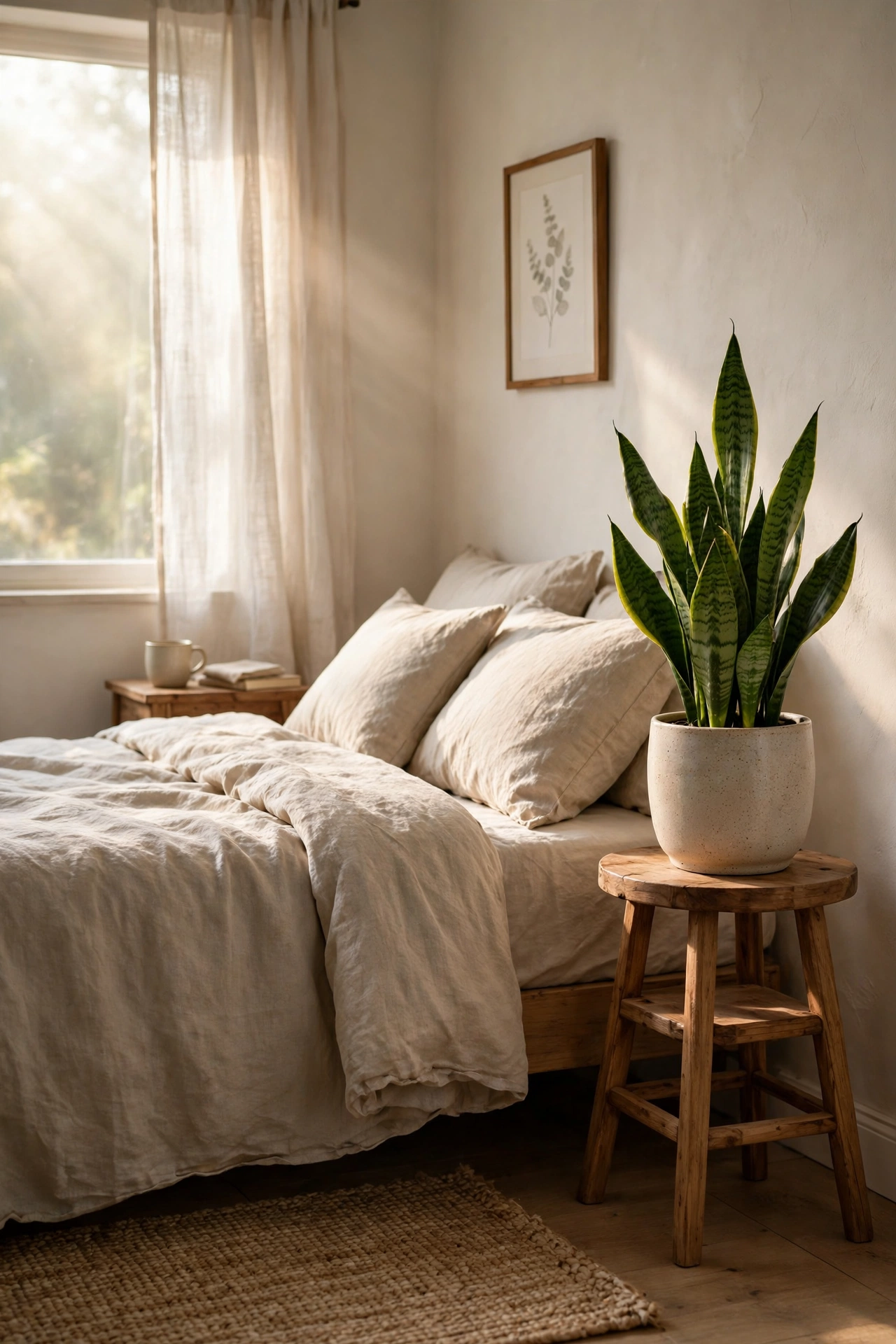
Not every corner gets good light, and that’s fine. Snake plants, ZZ plants, and pothos all survive in low light and need very little water. Put the hardy plants in the dark spots and save the sunny windowsills for the ones that need more light. A thriving plant in a dark corner feels like a small victory.
9. Add height with plant stands
Plants sitting directly on the floor can get lost. A simple wooden or metal plant stand lifts them to eye level and turns them into a feature. Mix stand heights for a layered look, or use a tall stand to fill an awkward gap beside a sofa or a door.
10. Keep it simple and let them grow
The best plant styling is the simplest: healthy plants, matching pots, and room to grow. Don’t overcrowd a shelf or a windowsill — give each plant space and let it fill in over time. A home full of thriving plants beats a home full of struggling ones, every time.
Conclusion
Plants are the easiest, cheapest way to make a home feel alive. One statement plant, a group of three on a shelf, a trailing plant by a window — start with one idea and one plant, and let your indoor garden grow from there. Your home will feel fresher, calmer, and more alive within a week.